
Janet’s Spreadsheet on Steroids: When Anyone Can Build the Tool Your Company Depends On
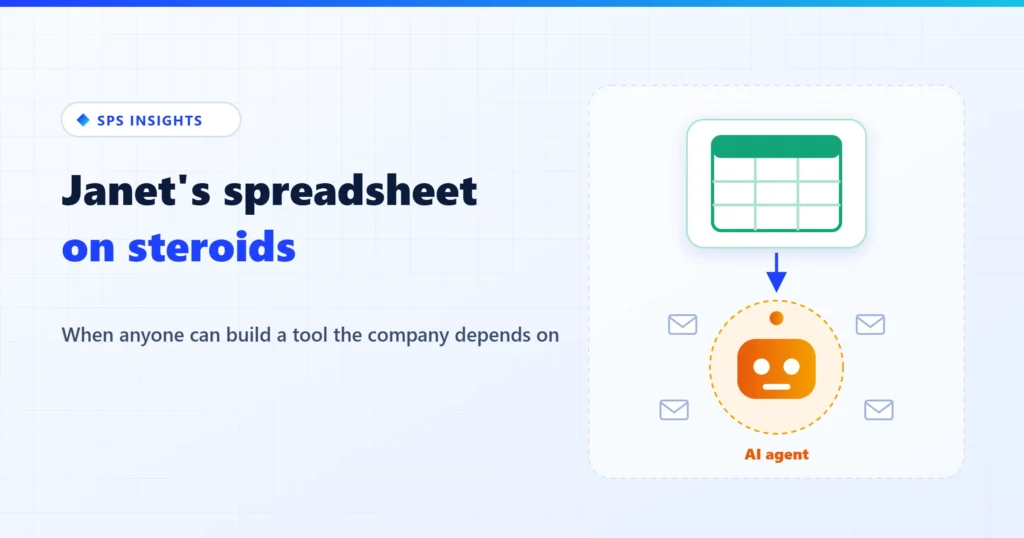
AI lets any employee build a tool, automation or agent in a few hours, and unlike Janet’s famous spreadsheet, these tools send emails and update the ERP. Why that turns build-or-buy into a risk question, a 5-question check before you build it yourself, and where the line sits between a personal tool and a core process.
5 Processes Still Running on Paper in SAP Business One Companies
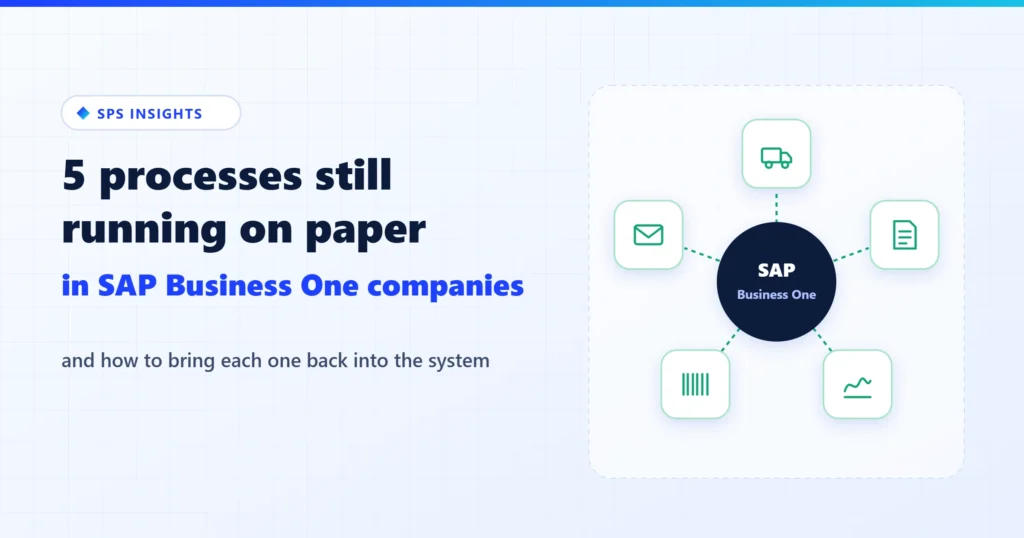
Most SAP Business One companies still run part of the process on paper: proof of delivery, supplier invoices, approvals, labels and document distribution. Why paper survives exactly where the process leaves the ERP, a 5-question self-check, and how to close each process so the information comes back into B1.
The Integration You Already Have: Your Print Button
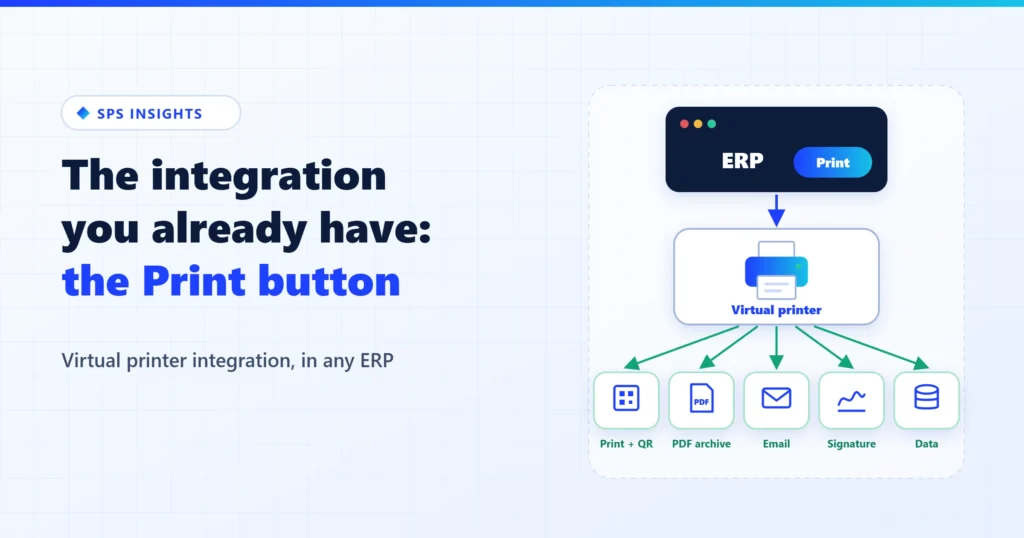
Before you build an API flow around your ERP, check what it already prints. How virtual printer integration turns an existing print job into an automated process – QR codes, PDF archive, email, signatures and data – with no change to the ERP, and when an API is still the better choice.
How a Supplier Invoice Finds Its PO and Goods Receipt
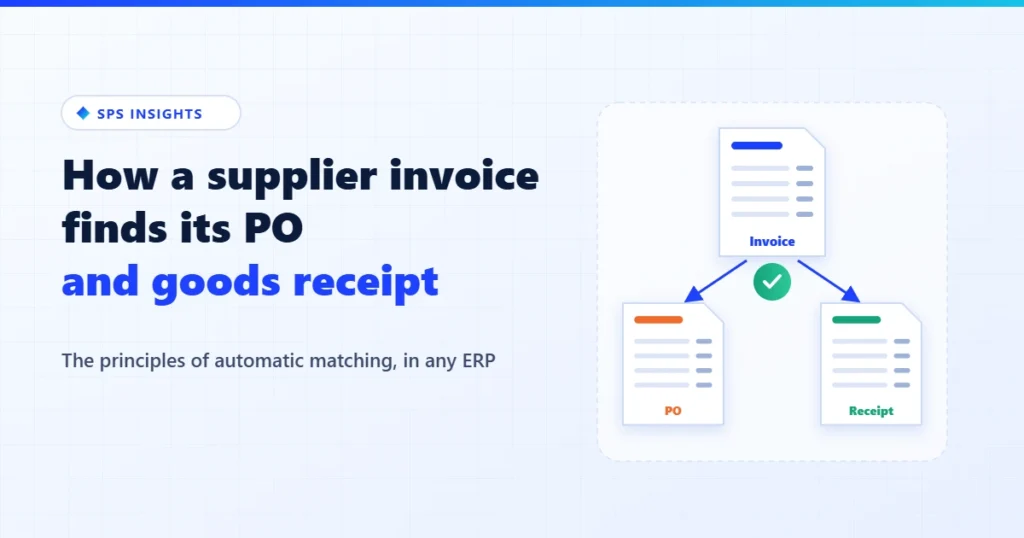
Reading an invoice is the easy part. How automatic matching finds the right PO and goods receipt – arithmetic checks, translation tables, matching order, tolerances and a confidence score – and why “keying convenience” is not automation.
Your ERP Moved to the Cloud. Your Printers Didn’t.
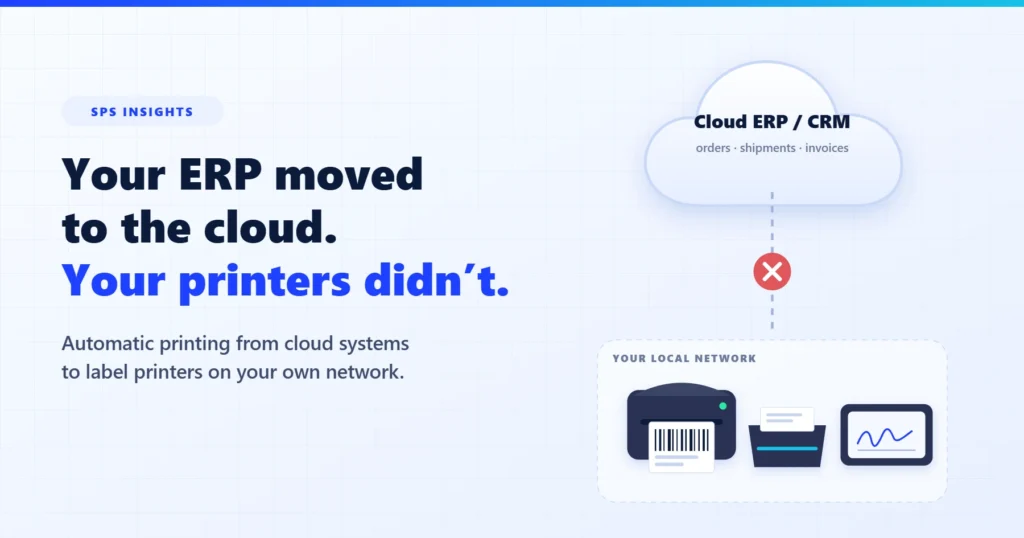
Moved to a cloud ERP and now print labels by hand? Why cloud systems cannot reach the printers on your network, what the usual workarounds cost, and how to bring automatic printing back without a VPN or open ports.
Proof of Delivery for Drivers You Don’t Employ
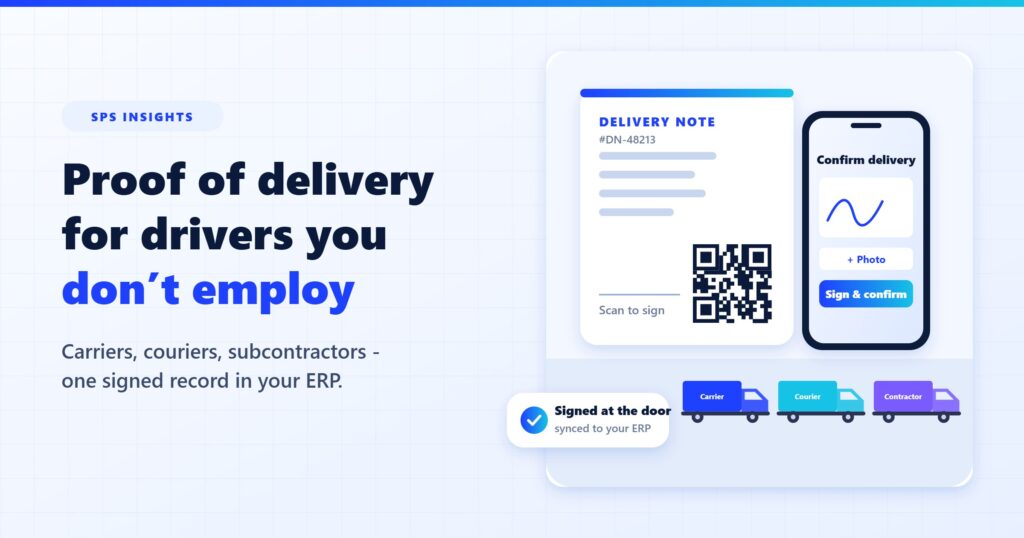
When carriers, couriers and subcontractors make your deliveries, the goods arrive but the signed delivery note often doesn’t. Why proof of delivery breaks when you don’t control who delivers – and how to move it onto the document itself.
Your Best Dispatcher Is a Single Point of Failure. Here’s How to Fix It.
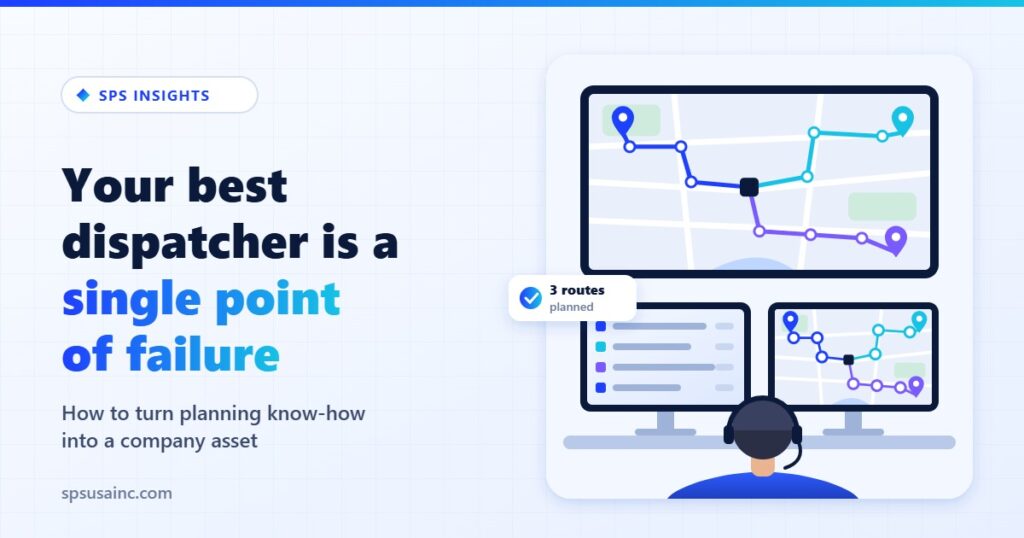
Route-planning know-how usually lives in one person’s head. Here is why that is a single point of failure, how to tell how exposed you are, and how AI-assisted planning turns that know-how into a company asset.